Earn up to 35% yield on mining royalties.
Real cash flow from producing mines — a share of every sale, paid before banks and shareholders.
Accredited investors only · Every royalty independently verified and registered on title
 representative image
 representative image
 representative image
Royalty funds, by commodity and stage.
Each fund holds mining royalties. Deposits earn a share of royalty cash flow, accrued into net asset value. Gold for stability; base and development metals for higher target yield.
Target ranges by stage and commodity — not live rates, not guarantees. Statuses are real; no fund is open for deposits yet. Product details →
What $250,000 does, by route.
Indicative one-year outcomes on the same capital. Royalty figures are target ranges by stage, not guarantees; the alternatives are current market rates.
Based on a $250,000 investment over one year. Royalty range reflects producing through development stage; target figures are not guarantees and royalty interests are illiquid.
Every asset verified before it enters the book
Reserve and production review (NI 43-101 / JORC) by qualified persons who do not work for the mine.
Licence chain and enforceability opinion in every jurisdiction, before listing.
Every shipment assayed at load and at destination — grade, moisture, weight.
Monthly coverage attestation across the book, published.
Royalty income, in three steps.
Deposit
Fund a strategy by bank transfer. Verification runs once; your capital is allocated into a diversified book of mining royalties.
Earn
Royalty cash flow from producing mines accrues into your position — compounding, with receipts published, not projected.
Access
Redeem at scheduled windows, or borrow against your position on connected markets — liquidity without selling your yield.
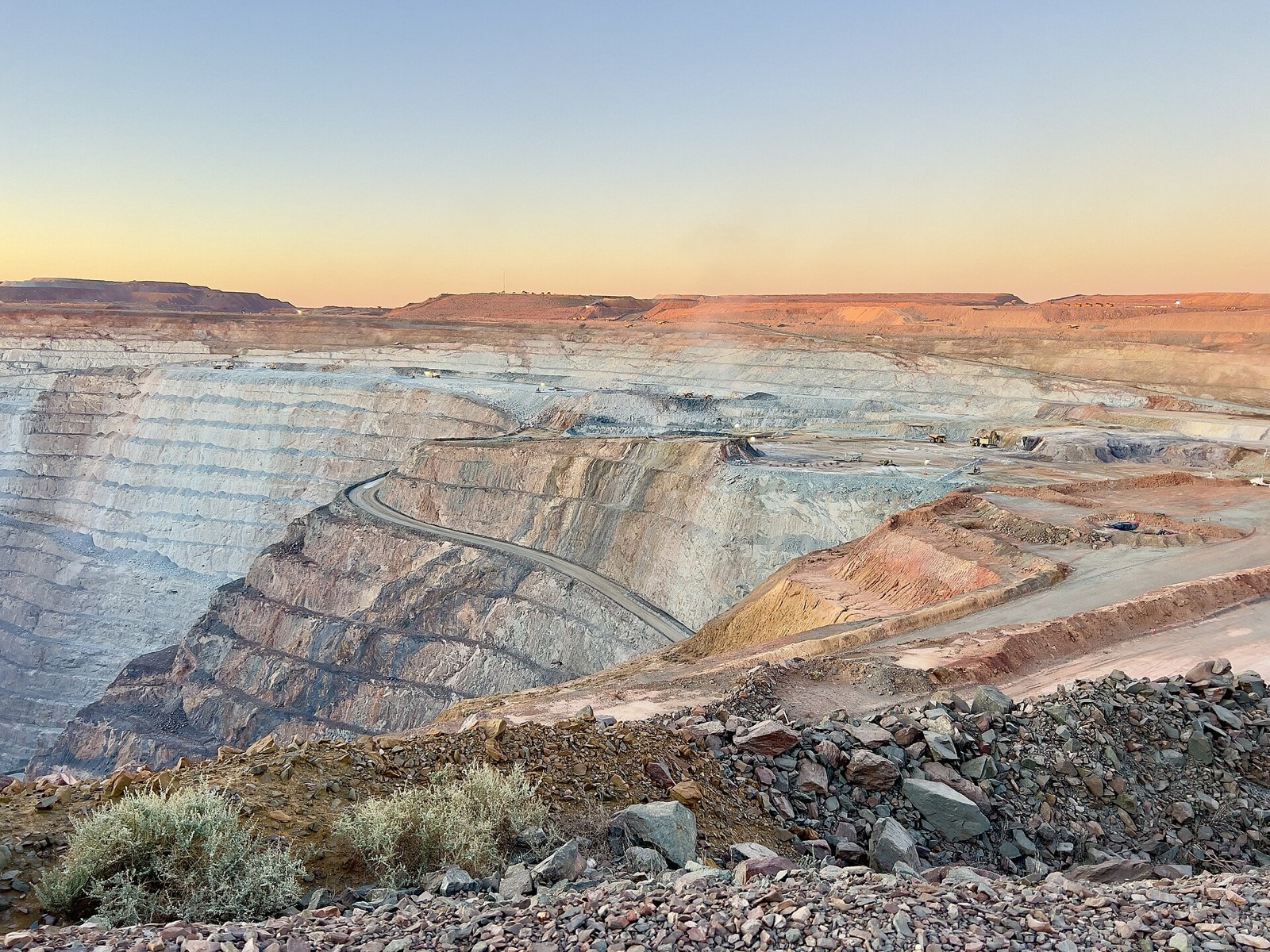
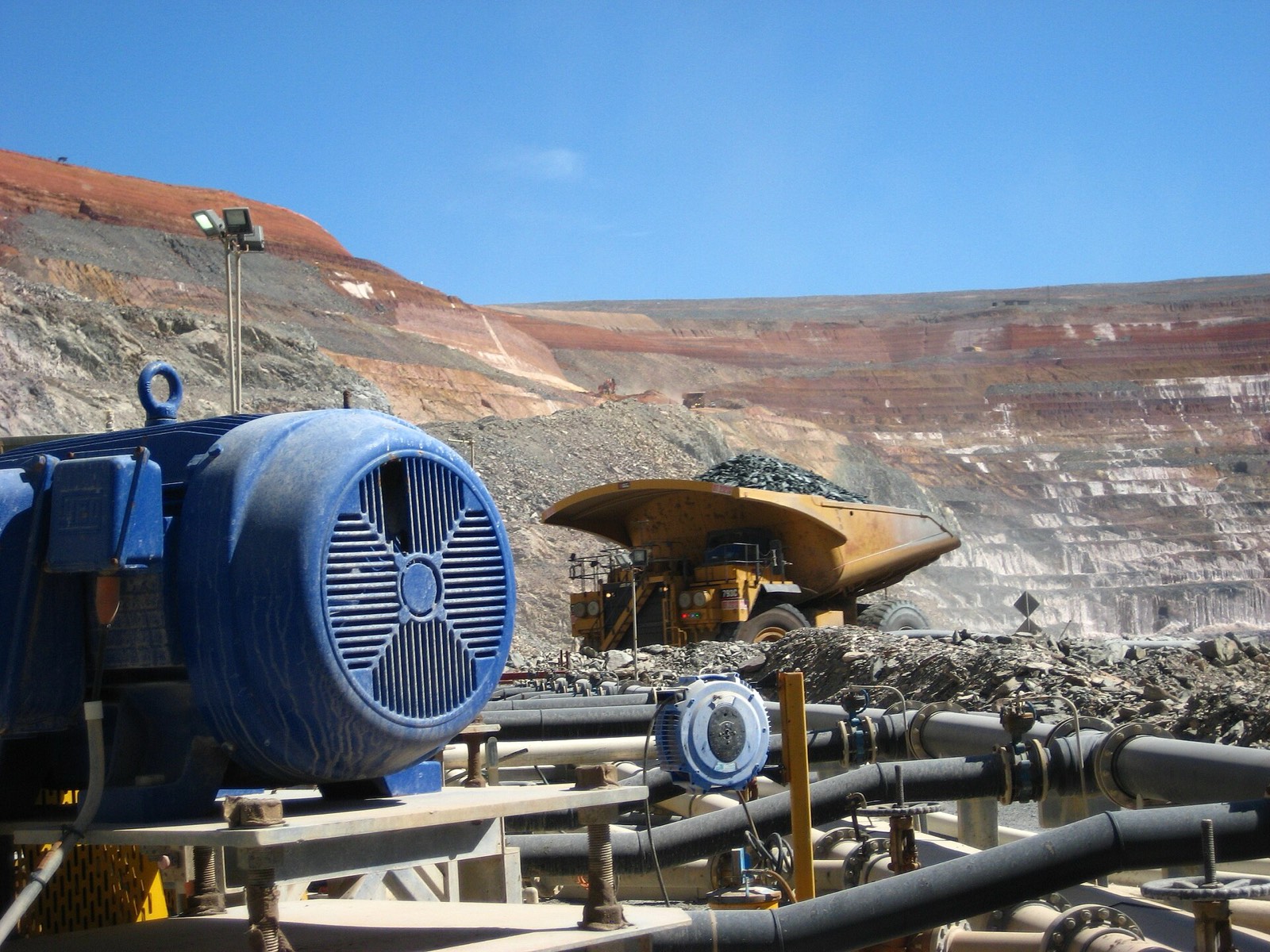
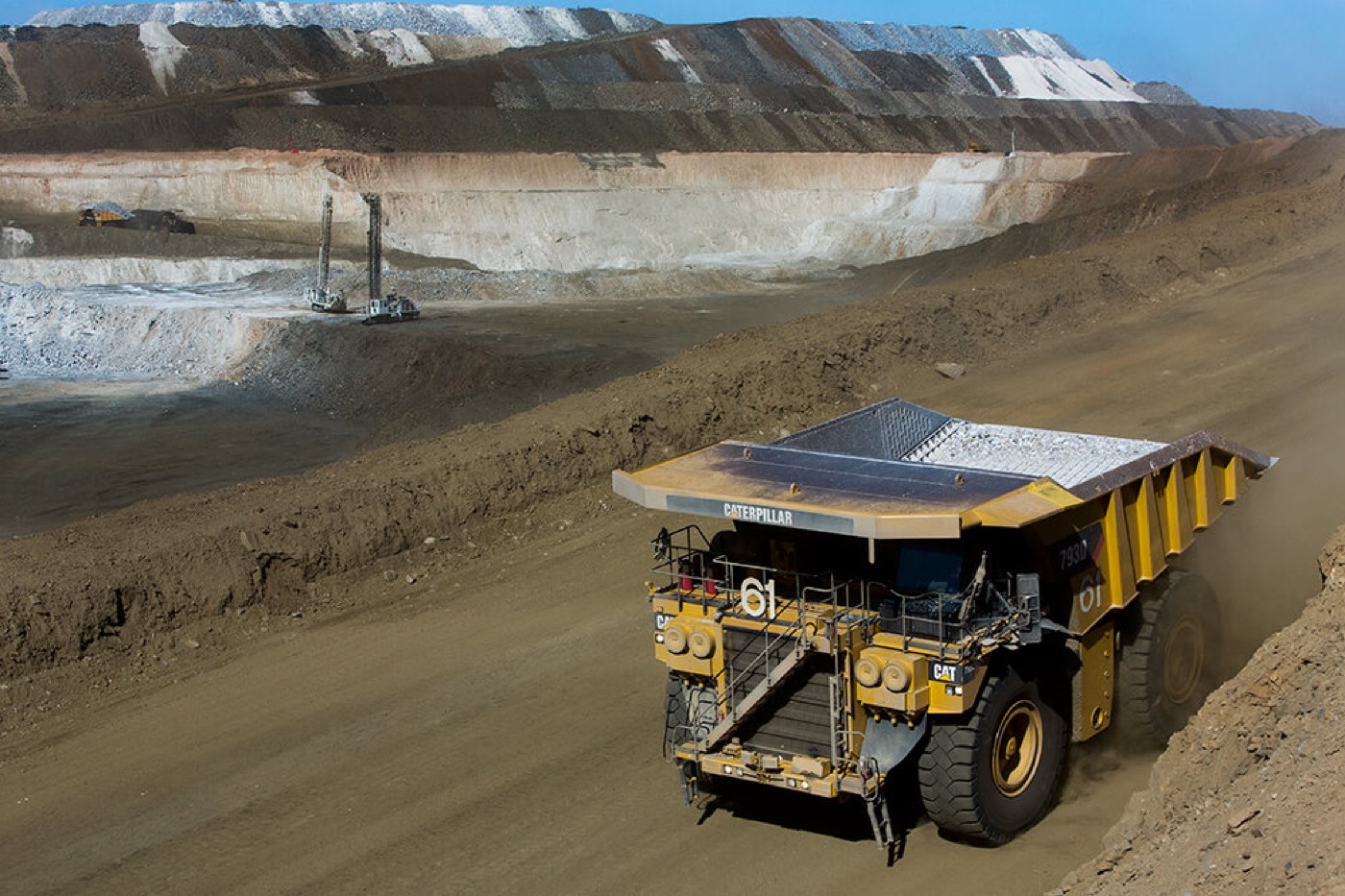
This is the asset. Here's how it reaches you.
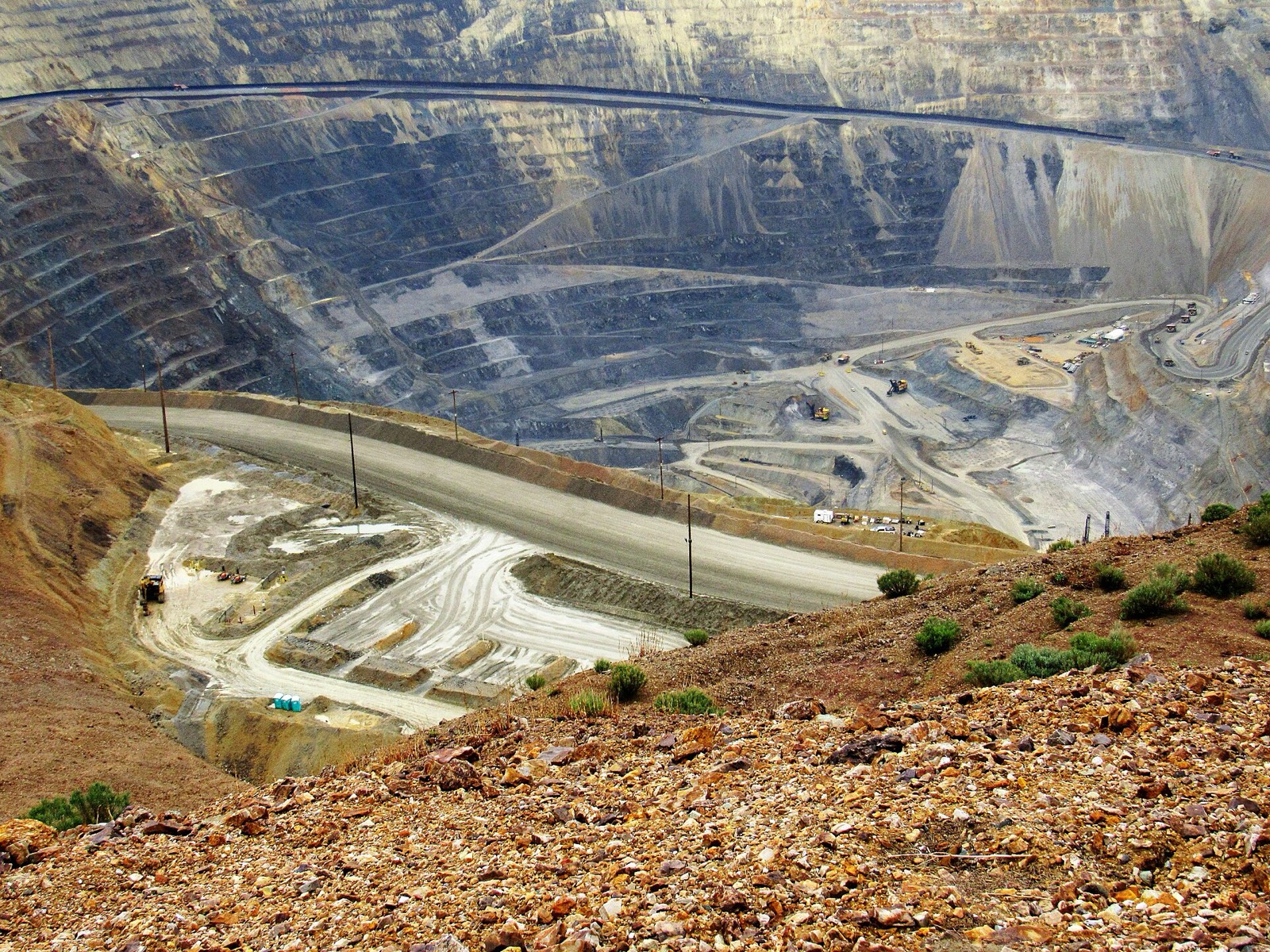
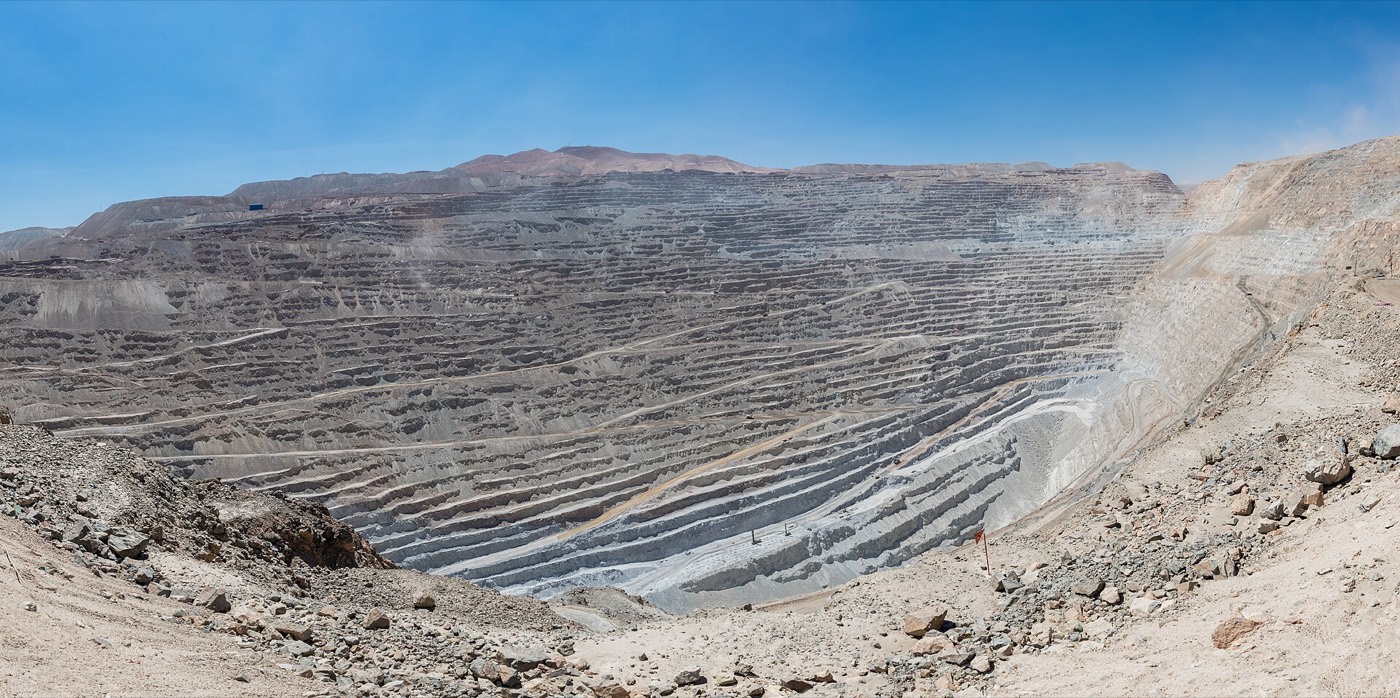
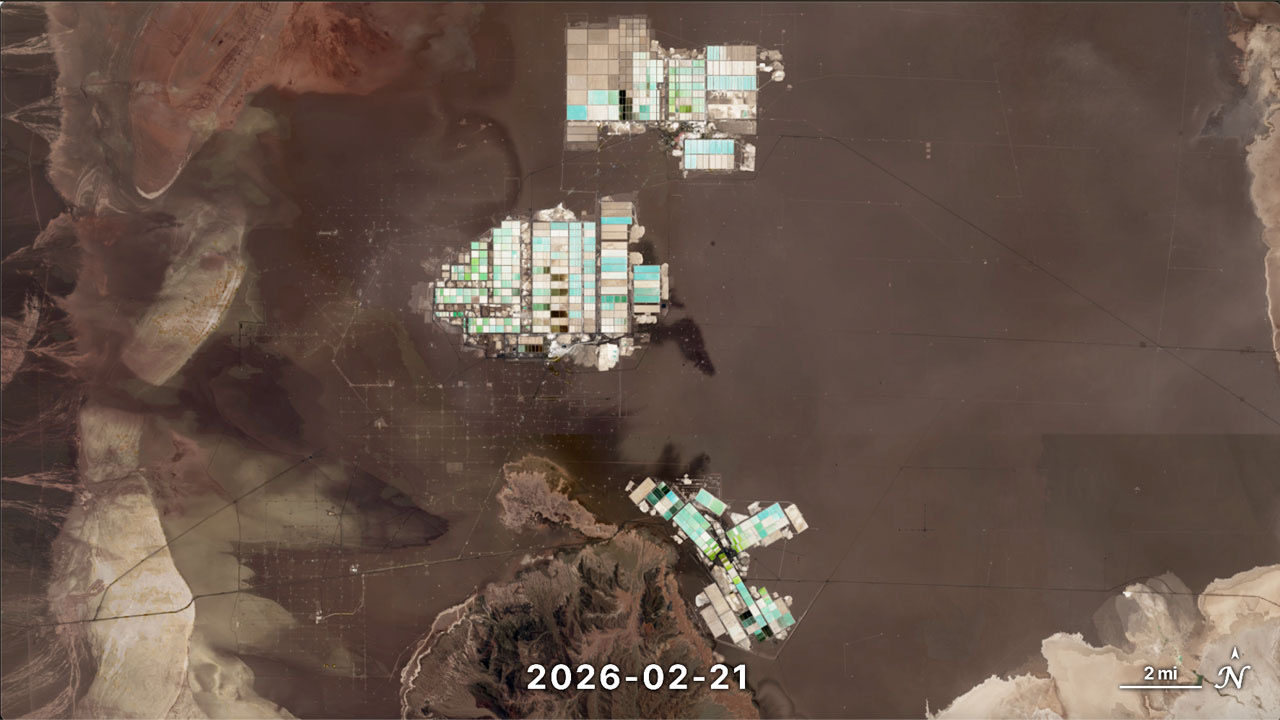
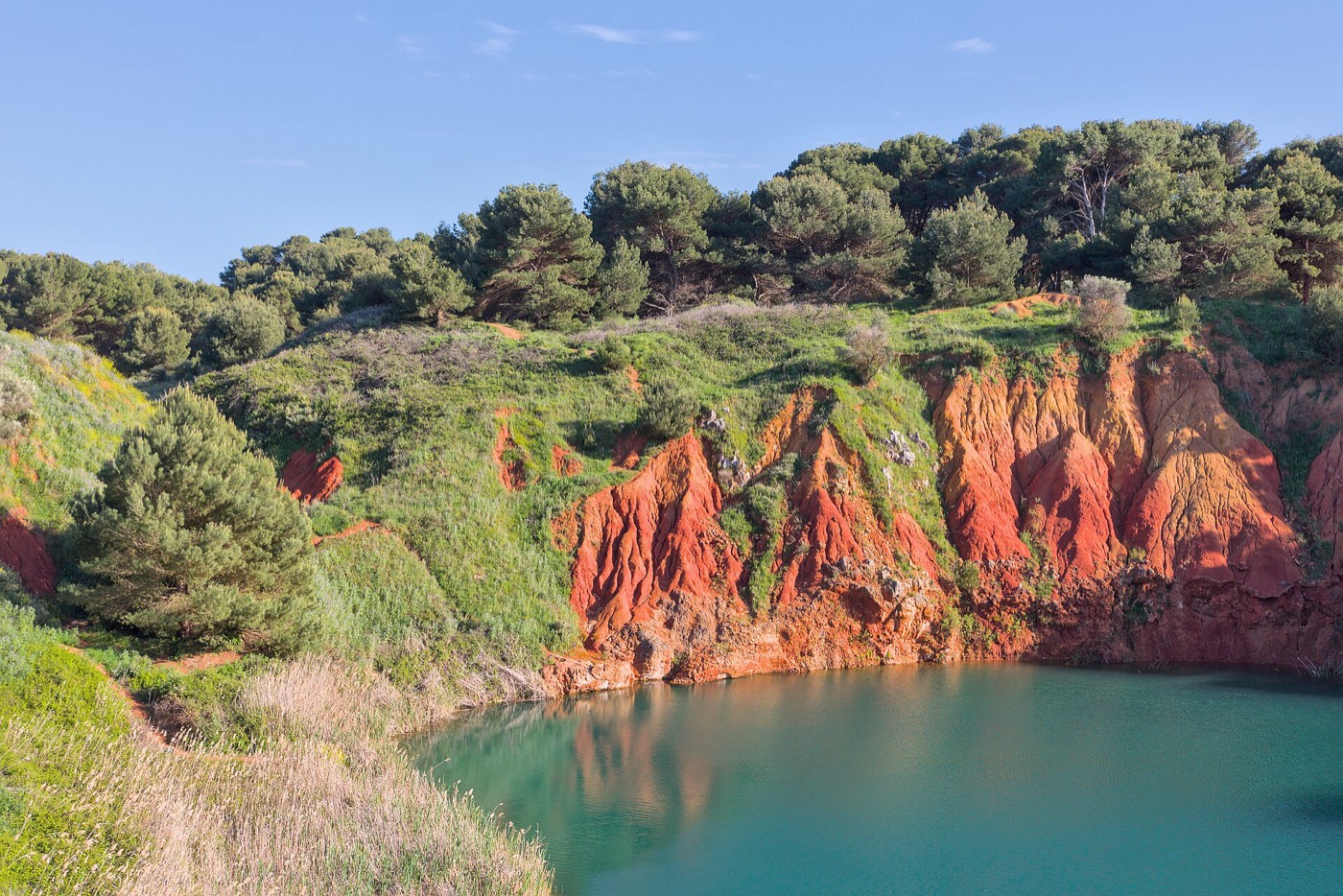
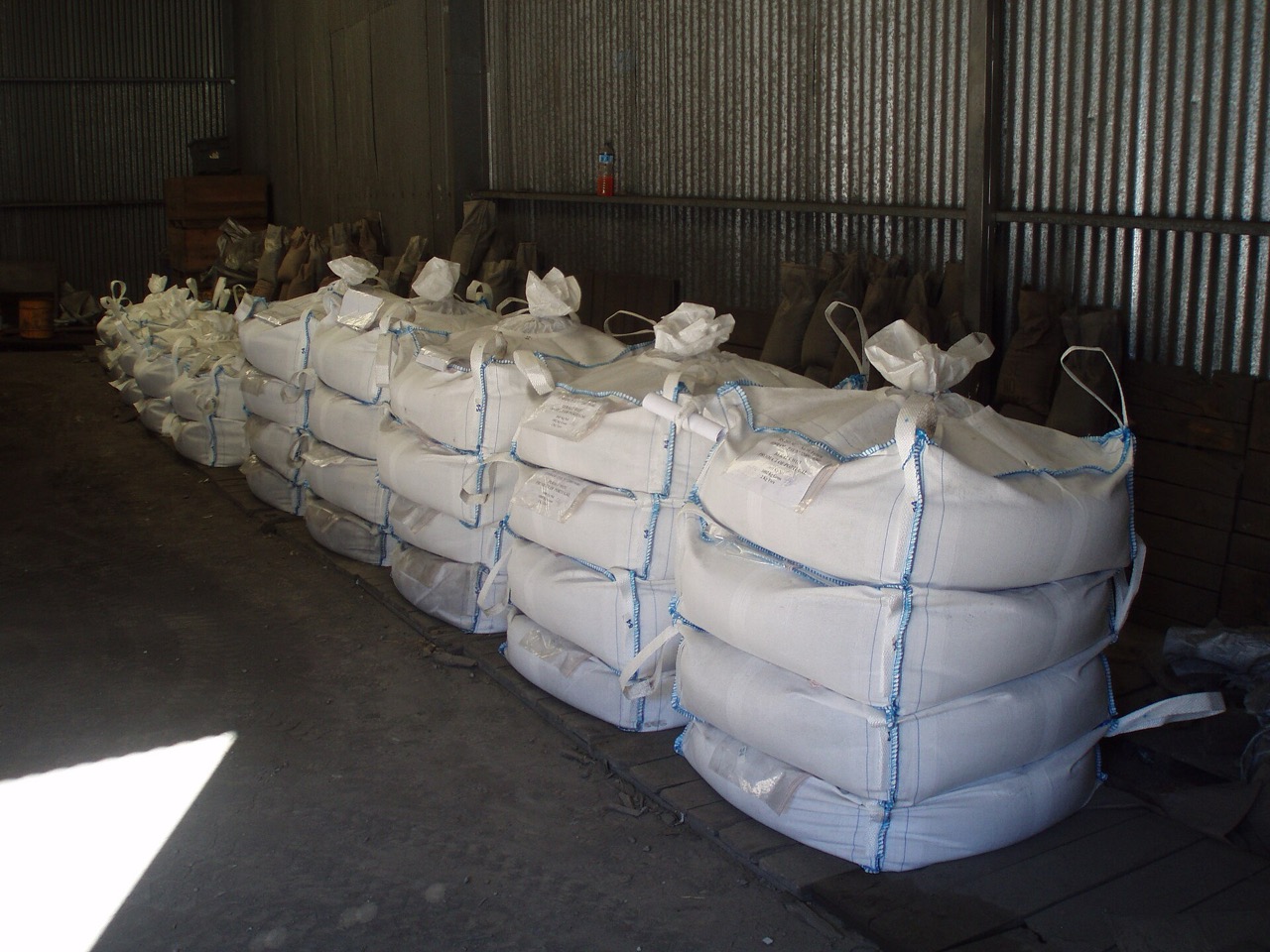
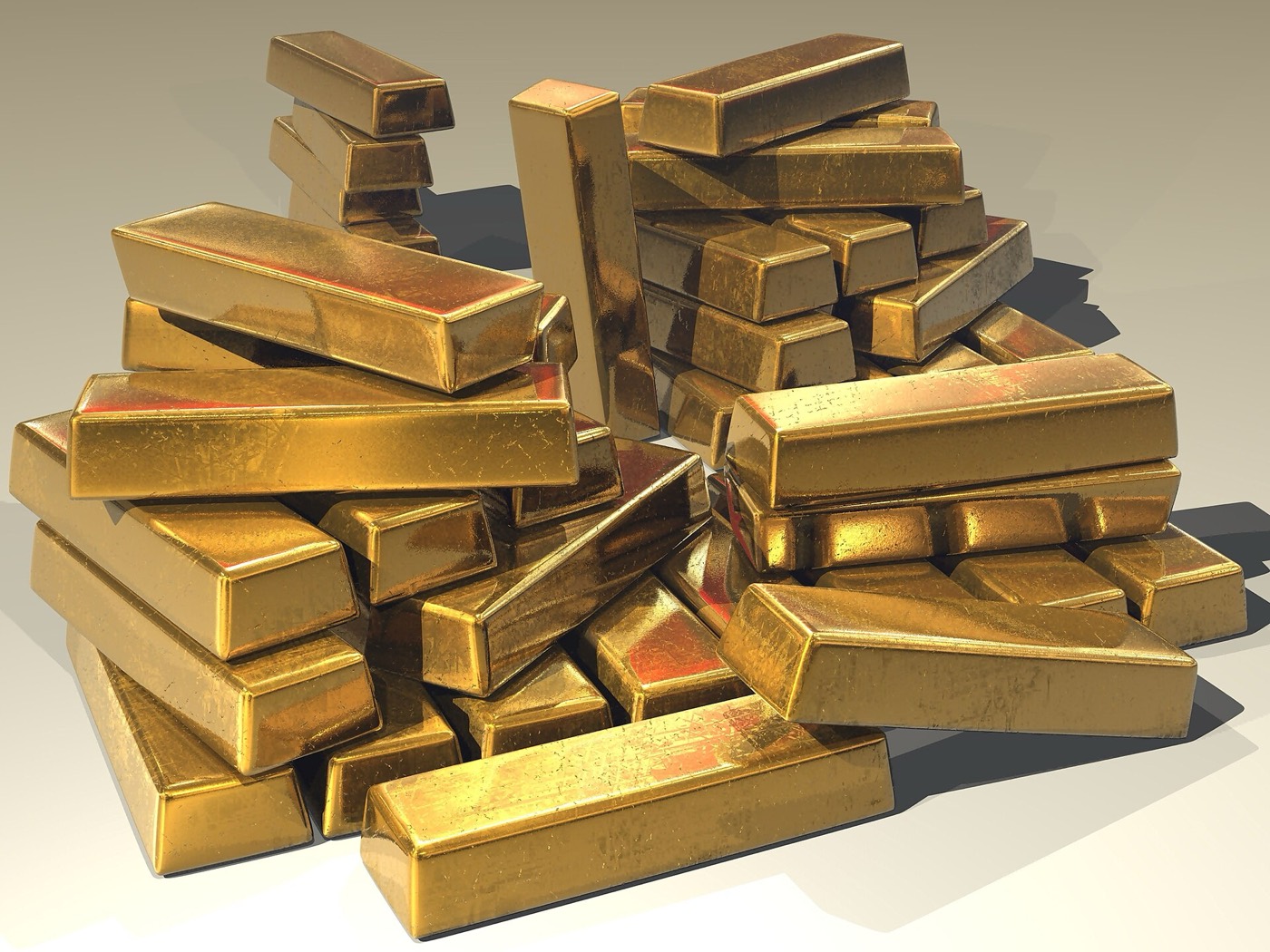
Shown for scale — these are not Midas assets. Photos: Wikimedia Commons, CC BY-SA 4.0 / CC BY 4.0 (Calistemon; Aznaturalist; Bahnfrend).
The largest balance sheet in crypto is already in this trade.
Tether has deployed hundreds of millions into mining-royalty equities in a single quarter — through listed junior-mining stocks, because no direct product exists. We are building it.
"Since October 2020, hard assets are the best performing asset class bar none — even including crypto."
"We're not in the first inning of this — we're in the second or third."
Jeff Currie — former Global Head of Commodities Research, Goldman Sachs. The Master Investor Podcast, September 2026. Quoted as market commentary, not an endorsement of Midas.
Don't trust us. Verify it.
Every royalty in every strategy is independently documented before it enters the book — and positions are marked at cost basis, not at projections.
Independent technical review
Every asset carries a reserve report (NI 43-101 / JORC) reviewed by qualified engineers and geologists — not a summary we wrote.
Registered & opined
Each royalty is registered against the mining licence with a local-counsel enforceability opinion, in every jurisdiction, before it lists.
Live, on the ledger
NAV on cost basis, re-marked only on verified milestones, monthly third-party attestation — with production data and every legal document recorded on the ledger as feeds come online.
Start with the index.
Institutional mining-royalty yield, in funds you can deposit into today. Accredited investors only.
Eleven deals. One mandated. Ten modeled.
The metals price publicly every day. The royalties on them have stayed in private hands. This book is the pipeline behind our funds. Primary deals fund the mine directly. Secondary deals are existing royalties whose holders want liquidity — same paper, already attached to a producing mine. Weighted to tier-one jurisdictions, where a licence is enforceable and proceeds move freely. Producing mines come first: open allocations are written on mines already selling. Development deals are reserved for qualified investors who are paid for that risk — and exploration is never listed.
A live $3.5M iron ore royalty in Western Australia, with West African iron ore, and North American gold and copper behind it. Terms, yields and files are shared with qualified investors after verification.
representative imageIron ore
representative imageGold
representative imageGold
 representative image
Copper
representative imageCopper
 representative image
Lithium
 representative image
Bauxite
representative imageIron ore
 representative image
Tin & tungsten
 representative image
Gold refining stream
Counterparties named only with their consent. Nothing on this page is an offer of securities.
How a royalty is valued.
A royalty's fair value has two moving parts: the commodity price, which ticks all day — and the mine's progress toward production, which steps on milestones. Together they set the published NAV. Drag the copper price. Advance the mine. Watch the valuation move.
Demonstration with illustrative numbers, not a quote. This is the mechanism: published NAV = completion probability × (production × price × royalty%), re-marked live off the commodity tape and stepped on verified milestones. The same method sets the published NAV of every fund.
Prices shown are the underlying metals — indicative, not live quotes. Royalty instruments have not begun trading. Stages and structures may change. Nothing on this page is an offer of securities.
Iron ore spot, last 90 days — indicative. The royalty note receives a published NAV at issuance.
Subscription book simulated
Allocations: none yet. Issuance has not opened.
Simulated market. Orders here fill against a demonstration book — funds move only after verification and signed docs.
Email and bank details — or start with just an email. The note settles to a verified account either way.
Subscribe by bank transfer — and elect payouts in funded gold grams instead of fiat. Royalty income that stays gold.
Buyer and seller clear between verified accounts. Funds stay in escrow until settlement completes.
Product preview. Figures shown as “—” do not exist yet and won't until issuance opens. Nothing on this page is an offer of securities.
Mount Lucky.
A development-ready direct-shipping iron ore mine 20 km from Laverton, in one of the world's most reliable mining jurisdictions. Granted mining leases, environment and heritage reports complete, road-rail-port logistics contracted routes in place. First cash flow targeted within 12 months of acquisition.
Proposed royalty (Midas structuring — subject to diligence)
Target figures are Midas underwriting estimates from the company's own production schedule at US$70–75/t realised FOB. Not fixed, not guaranteed; a short-life royalty returns capital and yield together, so we quote a multiple and an IRR, not an APY. Resource is company-reported and not yet JORC-classified — that is in our diligence scope.
What we are checking before funding
Data room
Accredited investors only. This file is commercially sensitive — every document is released individually on request, under the existing NDA framework.
The full presentation and physicals are released individually after verification. Not an offer of securities.
Mofe Creek.
A coastal high-grade iron ore project 70 km from Monrovia — 40 km from the port, truck-haul only, no rail to build. A prior owner spent over US$10M proving the ground; the plan starts with direct-shipping ore and lets the mine pay for its own expansion.
Proposed royalty (Midas structuring — subject to diligence)
Target figures are Midas underwriting estimates: US$1.50/t on 1–1.5Mtpa of Stage-1 shipments is US$1.5–2.25M a year against US$7M invested. The operator's own model (US$90/t) shows Stage-1 NPV of US$68M at a 10% discount and US$161M combined with the concentrate phase — the royalty takes a senior sliver of cash flow the model puts at US$36M a year. Development-stage Africa carries real risk — parliament approvals, ramp-up, price — which is why the terms carry a minimum royalty and a cap, and why this file sits behind verification. Not fixed, not guaranteed, not an offer.
What we are checking before funding
Data room
Accredited investors only. Public filings from the prior ASX owner — over US$10M of exploration — are available below. The current economic model, licence chain, EPA permit and metallurgy files are released individually on request.
The full 15-page presentation is released individually after verification. Not an offer of securities.
Yield-bearing, with structured liquidity.
Royalties run for decades. Most capital wants six months. That mismatch is the real objection to this asset class, and we answer it structurally rather than pretending it away: the asset stays long, your access does not. Four layers, in order of use — none of which requires anyone to buy your position.
Liquid reserve
Every fund holds a buffer in instantly-redeemable assets. Small redemptions clear the same day, without touching the underlying royalties.
Redemption windows
Larger redemptions clear at scheduled windows, funded as royalty receipts land. Comparable to a bond, not a demand deposit.
Borrow, don't sell
Post your holding as collateral with a credit facility. The position keeps earning royalty income while you borrow against it.
Secondary pools
As instruments season, they can trade on the private credit channels institutions already use. A holder can exit at the prevailing market price, subject to depth.
Liquidity runs on rails institutions already use
We do not run an exchange and we do not promise trading volume. Liquidity is inherited: gold's own settlement market at the base, redemptions funded by royalty receipts, and collateral utility on third-party lending markets. Not investment advice; royalty interests remain illiquid and you can lose what you invest.
Products. Royalty funds, by metal and stage.
Each product is a fund: deposit, and your position earns a share of real royalty cash flow, paid into the note price. You choose the exposure: gold for stability, base and development metals for yield.
Statuses reflect real mandate progress. Target ranges are indicative bands by stage and commodity (see the yield explainer and base rates by stage) — not guaranteed, not live rates. Accredited investors only; verification precedes any allocation.
mROYAL — The Royalty Index
Where the yield comes from
One note holding every royalty we underwrite — producing and near-production assets, a fixed share of each mine's revenue, paid before costs, banks and shareholders. Cash flows accrue directly into the mROYAL note price rather than being distributed, so your position compounds. Once live, trailing APY will reflect royalties actually received, not a projection.
Yield by asset
Paid quarterly in cash
Royalty receipts · variable, trailing
Quarterly windows · 5–20 days
Reserve reports · counsel opinions per asset
Audits & Security
Every royalty is independently reviewed before it enters the fund.
mROYAL is a demonstration of the Midas fund model. The fund has not launched; nothing on this page is an offer of securities or investment advice.
Request an allocation.
For qualified, professional and institutional investors. Verification runs before any allocation is confirmed.
Already registered? Sign in
Everything, written plainly.
What you own, how you get paid, and what's in every file — in public. The full data room opens with access.
A fixed cut of everything a mine sells, paid first, for the life of the mine. Read the explainer →
A note that is the register entry for your unit of one named royalty, held in its own segregated vehicle — never a pooled book.
Every offering carries a reserve report, the mining licence, an enforceability opinion from local counsel, and the signed royalty deed.
Request access, verify once (identity, suitability, source of funds), read the file, subscribe at your size. The process →
Transfers move only between KYC-verified holders. Settlement terms are set out in each instrument's documents.
Miners pay ~2% of the raise. Investor fees are set out per instrument in the deal file — no hidden spread, no management fee on the asset.
What you get, what you keep, what you owe — and the underwriting bar your asset has to clear. Raise with Midas →
Mines pause, prices fall, jurisdictions change. You can lose everything you put in. Size accordingly. Disclosures →
Disclosures · Privacy · Terms — and the cautionary statement at the foot of every page.
The attestation engine.
How every number on this platform is produced, checked, and published. This is the documentation an allocator's operations team asks for — public by default.
Methodology in brief: fund exchange rates move only on received royalty cash and verified milestones — never on projections. Undeployed capital sits in short-term treasuries and is reported as such. Anything we can't verify doesn't enter the book; anything in the book, you can check.
What is a royalty?
A royalty is a fixed share of everything a mine sells — every tonne, every ounce — paid to the royalty holder before costs, banks and shareholders. It's written against the mine's licence, so it survives a sale, a refinancing, even a bankruptcy. It is neither a loan nor a share. It is older and simpler than both.
The royalty comes off the top of every sale — before a single cost is paid.
Royalty vs equity vs debt.
Three ways to own a piece of a mine's future. They rank, pay and end differently.
| Equity (shares) | Debt (bonds/loans) | Royalty | |
|---|---|---|---|
| What you own | A slice of the company | A promise to repay | A share of every sale |
| Paid | Last — if anything is left | On schedule — until default | First — off the top line |
| If costs blow out | You eat it | Default risk rises | Your percentage is unchanged |
| If the mine is sold | Depends on the deal | Usually repaid or assumed | Follows the licence to the new owner |
| If production grows | Shared with all costs | No upside — fixed coupon | Your cut grows with every tonne |
| If the mine stops | Shares can go to zero | Default, maybe recovery | Payments pause; the claim survives |
| Ends | When you sell | At maturity | Life of the mine — often decades |
The catch, stated plainly: a royalty only pays if the mine produces and sells. No production, no payment — sometimes for years. That's the risk you're paid a premium to hold.
The asset under the paper: the royalty sits on everything that leaves the pit — not on the company that digs it.
Paid for the life of the mine.
Equity gets diluted. Loans get repaid and disappear. A royalty keeps collecting through new owners, refinancings and price cycles, until the mine stops for good.
Illustrative production profile — payments track what the mine actually sells, so they rise, fall, and can stop. The claim itself survives every change of owner.
The most famous royalty ever written.
A buyer pays $2 million for a 4% royalty on a young gold mine in Nevada — Goldstrike.
The deposit turns out to be one of the largest gold discoveries in American history — tens of millions of ounces.
The royalty has paid on every ounce sold, for nearly four decades — through owner changes, refinancings and gold cycles.
That $2 million claim has paid out more than $1 billion. The company that bought the mine paid 31x more than the royalty holder did — and carried every dollar of cost.
The three most profitable mining royalties ever written.
Not our deals, not our numbers. Every figure below is published by the company that owns them, in its own August 2026 investor presentation. Anyone can check it. We are showing what this asset class has done; few investors outside the industry have seen these figures.
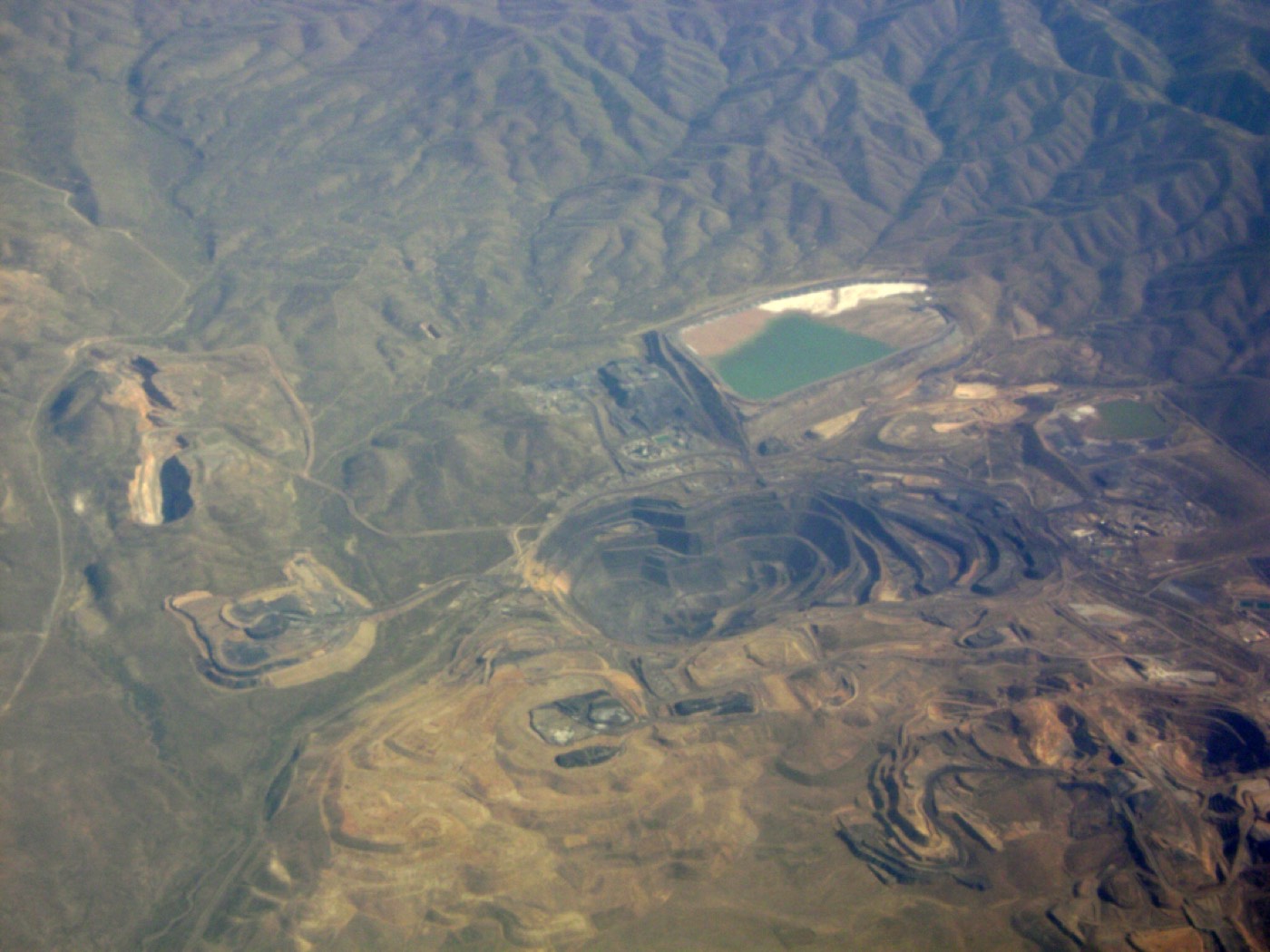
The real asset. Photo: Wikimedia Commons, public domain.
Total invested across the three
Combined return on those three
Blended multiple on money in
In the US and Canada
Source: public investor presentation of a leading royalty company, 2026. "Return" as defined there means after-tax cash received plus consensus analyst NAV — cash already collected plus the market's valuation of what remains. Historical evidence for the asset class, not a Midas offering, not a forecast, and not typical.
You buy a share of the ground. Not a share of the plan.
Those multiples are not luck, and they are not leverage. They come from three things built into how a royalty works.
A royalty is written against the licence area, not against the mine plan. When Goldstrike was bought it was a small heap-leach operation. The buyer paid for what was known. Then roughly 50 million ounces were found underneath it — and the 4% was paid on all of it, without a second cheque. Detour Lake was bought in 1998 and is still being extended today, heading to a million ounces a year into the 2040s.
When the price rises, ore that was too poor to touch becomes worth mining. Cut-off grades drop, reserves grow, and the mine's life gets longer. So a royalty holder earns more per ounce, on more ounces, for more years — three effects from one move. That is why a royalty book can run at more than 100% leverage to the metal price while carrying none of the cost.
The royalty is a fixed share of revenue, paid before costs. Diesel doubles, labour strikes, the mill needs replacing, the operator raises money at a terrible price — none of it touches the cheque. The company that bought Goldstrike outright paid 31 times more than the royalty holder did, and carried forty years of capital and operating risk to do it. The royalty holder just got paid.
The honest odds, by stage.
The royalty industry does not publish its base rates. You should see them before you see a yield number. These are from public studies and the industry's own filings.
exploration discoveries that ever become a mine — which is why we don't list exploration royalties. At all.
of mine construction projects run late; ~43% over budget on average (McKinsey)
of 1,000 studied mine closures were unplanned — producing mines pause. Royalties survive the pause; cheques don't arrive during it.
of the big royalty companies' own portfolios are actually producing. The rest pays nothing today.
Sources: S&P Global discovery-to-production studies; McKinsey mining capital projects research; Laurence (2011) 1,000-mine closure study; ICMM; and public filings of major listed royalty companies. Ask us for the full source list.
Everything people ask before they commit.
01.01What is Midas?
A strategy manager for mining royalties. We underwrite royalties on producing and near-producing mines, register them against the mining licence, split them into units, and issue them as royalty funds to verified investors.
01.02What problem does it solve?
Mines wait months for capital and give up equity to get it. Direct royalty ownership has been closed to individuals — the $60B+ sector sits with a few listed companies and institutions. We underwrite the royalty and issue it to verified investors.
01.03Who can use it?
Investors who pass identity and suitability checks, mine operators raising against production, and existing royalty holders who want liquidity. Some jurisdictions we simply can't onboard yet — we'll tell you at signup, not after.
02.01What exactly am I buying?
A registered unit of one named royalty — a fixed share of everything one specific mine sells, for the life of that mine. Each royalty sits in its own segregated vehicle. Your note is the register entry for your unit. Never a pooled fund, never a basket.
02.02How is this different from buying mining stocks?
A share is a claim on profits — after costs, debt, taxes and management. A royalty is a claim on revenue, paid before all of that. Costs can double and your cheque doesn't change. Equity gets diluted; a royalty percentage is written into the licence and can't be.
02.03How do I get paid?
The mine reports sales, the royalty is calculated on revenue, and distributions land in your account — typically quarterly, with the production data behind every payment. You choose the currency: fiat, or digital gold — funded gold grams, so distributions arrive as metal rather than currency.
02.04What's the minimum?
Allocations are sized deal by deal for accredited investors — discussed once you're verified, not posted on a website. A smaller-ticket tranche is planned once licensing completes.
03.01How does this raise capital for my mine?
You sell a royalty — a small fixed share of future revenue — instead of equity or debt. Cash up front, no board seat, no covenants, no dilution, no repayment schedule. We underwrite, paper and distribute the raise.
03.02Does it dilute my equity?
No. A royalty touches your revenue line, not your cap table. Every share of your company is still yours.
03.03Can I buy my royalty back?
Buy-back windows can be written into the deal at issue. If you want that option, we structure it up front, in the open, priced in the terms.
03.04What projects are eligible?
Producing or clearly-dated near-production assets, licence in good standing, a real reserve report (JORC / NI 43-101), and enforceable registration in your jurisdiction. Exploration-stage projects: not yet — that's a different risk we don't sell.
04.01How do I buy?
Create an account, pass verification, fund, and take an allocation in an open fund. Secondary transfers between verified holders open later, instrument by instrument.
04.02Can I sell?
Units transfer between verified holders on the platform. Early on, liquidity will be thin — treat a royalty as an income asset you can exit, not a day-trade. We say this everywhere on purpose.
04.03What are the fees?
Issuance fees are charged to the raise and disclosed in every deal file. Transfer and distribution fees are published on the fee schedule before you commit a dollar. No fee you haven't seen in writing.
05.01Is my money held by Midas?
Client funds and instruments are held through segregated structures — one vehicle per royalty — separate from Midas's own balance sheet. The exact custody arrangement is published per deal.
05.02Why a note rather than a direct assignment?
Because a central register that settles in days, splits to any size, and can't lose a certificate is better plumbing than a PDF and a spreadsheet. The note is the record of your participation — the legal claim it represents is what you're buying.
05.03Can Midas move my assets?
No. Transfers happen only on your instruction, between verified holders. That restriction is structural, not a policy.
06.01Is Midas regulated?
We are structuring under a framework built for private credit instruments, and we won't take a dollar before the licence path is papered. Current status is always stated plainly in the disclosures — read them, they're short.
06.02Are the units securities?
In most jurisdictions, yes — and we treat them that way from day one: verified investors only, formal documentation, no public solicitation of anything that isn't papered.
06.03Why do I have to verify before investing?
Identity, sanctions and suitability checks are the price of an instrument institutions can also hold. It takes minutes, once.
07.01Can I lose money?
Yes. All of it. The mine can slow, stop, or never restart; metal prices can fall; a licence can be challenged; you may not find a buyer when you want out. Nothing on this platform is guaranteed and past royalties — including the famous ones — say nothing about future ones.
07.02What if the operator doesn't pay?
The claim is registered against the licence with an enforceability opinion from local counsel — it survives a sale, a refinancing and most bankruptcies. Enforcement is real but slow: that's a risk, and it's in every file.
07.03Are forecast yields reliable?
No forecast is. Our yield figures are arithmetic on stated production and today's prices — both will move. That's why every deal file shows the assumptions, not just the number.
07.04How do commodity prices affect me?
Directly, both ways. A royalty is a share of revenue: price up, bigger cheque — and usually a longer mine life. Price down, smaller cheque — and a mine that can pause. You are taking metal-price risk. That's the asset.
More questions? Ask a person — a human reads every message.
Own mining cash flow. Not a mining company.
Buy a royalty company's shares and you get its whole book and its management's next decision. Here you back one asset, with one file, at your size.
$40 million into three royalties. Over $3 billion back.
Before you look at our deals, look at what the instrument itself has done in hands that are not ours. The figures below are published by the royalty company that holds them, in its own August 2026 investor presentation.
Goldstrike · Nevada · $2M in, >$1.5B
Detour Lake · Ontario · $2M in, >$950M
Stillwater · Montana · $36M in, >$700M
Source: public investor presentation of a leading royalty company, 2026. Historical evidence for the asset class, not a Midas offering, not a forecast, and not typical. Why the multiples get that big →
A royalty is a share of what the mine sells. It gets paid before everyone else.
Off the top line. Before costs, before the bank, before shareholders. For the life of the mine.
A fixed percentage of everything the mine sells, diverted before a single cost is paid.
SPV
segregated
Attached to the ground, not the company. It survives insolvency and change of control.
Paid off the top line, before costs, lenders and shareholders.
Nothing is owed in a month the mine doesn't produce. Nobody's cap table moves.
Runs as long as the reserve does. On long-life assets, that means decades.
One thousand dollars, in plain numbers.
goes into a $20M royalty raise — $0.30 on every tonne the mine sells. You now own 0.005% of that royalty.
ship in a year. The royalty collects $1.5M off the top — before costs, banks or shareholders see anything.
lands in your account that year. Same again every year the mine ships — for the life of the mine. Units can transfer to verified buyers; a buyer is not assured.
A registered claim on a mine's revenue.
The royalty is legal machinery, registered against the mine. The note is how it moves.
Transfers clear between verified holders the moment both parties agree. No T+2, no registrar queue.
Production reports trigger the payout. Every unit gets its share through the contract, same day.
Every account clears KYC before it can hold. The register stays clean.
Units transfer at any hour, wherever participation is permitted.
From request to first distribution.
Two minutes. A person reads it.
Identity, suitability, source of funds. Once.
Reserve, licence, legal opinion — the full record.
At your size, into one named royalty.
Distributions as the mine sells. For the life of the mine.
Questions we get.
Who can invest?
What exactly do I own?
How does a royalty pay?
What if the mine stops producing?
How is it structured?
When do subscriptions open?
Committed capital. Keep every share.
Bank money works until you need it fast. A royalty is capital with no dilution, no board seat, and no default in a bad quarter.
Weeks, not months. 2%, not 10%.
Raising debt or equity takes 12–18 months. An exchange listing costs $1–2M before a dollar is raised, then 5–6% of the raise in fees — with a 500-shareholder minimum to even qualify. This is the alternative.
$10M–$30M against production. Cash for the build, the acquisition, or the restart — priced off the asset, not your share price.
Every share. Every board seat. Every decision. A royalty attaches to the licence, not the cap table.
A fixed share of revenue, only when you produce. No production, no payment. No maturity date waiting for you.
Nothing. No operational say, no reporting board, no new systems. You run the mine. The royalty just gets paid when you sell.
Raise against your royalty. Keep everything else.
You keep the mine, the equity, the board and the economics. We handle the legal wrapper, investor compliance, structuring and distribution. By the time terms reach you, the capital is committed — you close subject to legal, not subject to fundraising.
We read the reserve report, licence chain and production history — the same file a bank wants, read properly.→
We design the royalty and its legal wrapper — rate, caps, buy-back, milestone tranches — registered against your licence.→
Your royalty becomes an investable instrument, with KYC/AML and suitability enforced before any investor touches it.→
Capital lands. You draw against production, on your milestones, with no equity given up and no board seat sold.
Investors are onboarded under our structure, not yours. You run the mine; we run the raise.
"If we win big, a royalty costs us a fortune." So structure it.
True — an uncapped, perpetual royalty on a mine that 10×es is the most expensive capital you'll ever have sold. That's a structuring choice, not the instrument. Every deal we write can carry the protections below, priced openly. The predatory forever-royalty is the old industry's product; ours is negotiated to fit the mine.
Repurchase some or all of the royalty at a fixed multiple inside an agreed window — e.g. up to 50% at 2.0× in years 5–8. Win big, cut the tail. It's in our live term sheets today.
The rate applies until a set number of ounces or dollars has been delivered, then drops or ends. Standard at the top of the royalty industry — e.g. a 2.0% royalty that ends after 72,000 oz.
Full rate until investors reach an agreed return, then the royalty steps down — 3% becomes 1% after payback. Your best years stay mostly yours.
Draw the raise as you build — closing, earthworks, commissioning. You pay royalty only on capital actually drawn, and investors watch their money follow the build.
Raises of $5–25M against producing or funded near-production assets, reserves supporting 5+ years, licence in good standing. A 1Mt deposit is too small for this instrument; a 100Mt major will beat our pricing with bonds — we'll tell you either way, fast.
JORC or NI 43-101 report, production history or a funded build plan, clean licence chain. We read it in days, not quarters.
Fixed $/tonne on bulk commodities (verifiable at the port gate), % of revenue (NSR/GRR) on precious metals. Not a loan: no principal, no maturity, no covenants on your balance sheet — it's revenue financing, stapled to the licence.
Every protection has a price — a capped royalty costs more per point than a perpetual one, and we'll show you that math side by side before you sign anything. If cheap bank debt is genuinely available to you, take it; we'll say so on the first call. Royalties win when the real alternative is dilution.
Royalty vs. debt vs. equity, over time.
Illustrative: a $10M raise on a producing mine. A royalty is the cheapest capital early and the most expensive late on a mine that wins. That's the trade: you're paying for speed, zero dilution, zero covenants, and zero repayment risk. The structuring options above are how you cap the late years.
Equity, for comparison, costs 20–30% of everything, forever, plus the board seat — the most expensive line on this page for any mine that works. Full worked comparison against your actual numbers on the first call.
From file to funds in six weeks.
Reserve report, licence, production data. A person reads it and answers in days.
Engineers on the rock, local counsel on the licence. Their names go on the file.
Royalty deed signed, registered against the licence. One segregated vehicle built.
The raise opens to our investor base. Funds clear as it fills.
Typical path for a producing asset with a complete file. Diligence sets the pace — a thin file takes longer, and some assets don't pass.
The term sheet, before you even call.
Priced by people who have sat on mine sites.
| Capital | Dilution | Covenants | Maturity |
|---|---|---|---|
| Bank debt | None | Heavy | Fixed date |
| Equity | Permanent | None | Never repaid |
| Royalty | None | None | Life of mine |
Producing or near-production. You'll know inside a week whether it's underwritable.
One royalty at a time. Engineers first. Then lawyers. Then investors.
The rock is reviewed
Geologists and mining engineers on the reserve, the grade and the production schedule. Most assets stop here.
The claim is registered
Host-country counsel registers the royalty against the mining licence. If it can't be enforced locally, it doesn't proceed.
The vehicle is built
One segregated vehicle per royalty. Custody, transfer controls and reporting set before a dollar moves.
The instrument opens
Divided into units and offered to qualified investors with the full technical and legal file attached.
The file stays alive
Production reports checked against every distribution, month after month, for the life of the royalty. Holders see what we see.
The whole business is what we refuse. No exploration ground. No unregistrable claims. No operator who won't open the drill data. The file is published with every instrument, so you can disagree with us in public.
Notes from the build.
Port settlement, dual assay, and why we pay on delivered tonnes — the verification system explained.Sep 2026
Why gold royalties target 5–7% and development metals target more — the bands by stage and commodity.Sep 2026
How royalty cash becomes grams in your account — and why that matters to gold holders.Aug 2026
Full posts publish at launch. Ask us for any of them as a PDF.
We hire slowly.
Small team, Dubai-based, building the manager for the oldest asset class that never went public. If you work in verification-grade finance or real assets, write to us.
The earth pays. We make it investable.
Mines pay a share of their revenue to whoever financed them — privately, for decades. Midas underwrites those payments one asset at a time and issues them as royalty funds that accredited investors can hold. Distributions are paid in gold. We are not an exchange and not a bank. We are a strategy manager for mining royalties.
Four roles. One product.
Midas — the manager
Sources royalties, underwrites the file, structures the deal, manages the funds, monitors the mines, reports performance.
Third-party verifiers
Independent engineers review reserves. Local counsel opines on enforceability. Port inspectors certify every shipment. Auditors attest coverage monthly. None of them work for the mine — or for us.
The ledger
Holdings, certificates and NAV live on public infrastructure — readable by anyone, alterable by no one. The register is on chain instead of on paper.
Investors
Subscribe and redeem in USDC. Hold the index or a single metal. Borrow against positions on connected markets. Verify everything yourself.
Who is behind this.

Lavine Hemlani
Founder · Midas
Lavine built his first eight-figure business in his twenties and has been building in finance since. Midas started because five people in mining finance described the same gap to him inside a few months: the best instrument in the industry, and no way to buy it.
Every instrument is reviewed by qualified engineers, geologists and local counsel. Everyone named on this page is actually in the business — no logo wall, no advisors we've met once. Ask on a call and we'll tell you exactly where things stand.
The people building it.

Shreyas Manchanda
Head of Capital Markets
Debt placement, private credit and project finance. At Midas he structures each royalty and runs the raise — first call to first distribution.

Matthew Singer
Chief Operating Officer
Runs operations and delivery — diligence, counsel, registrars. Owns the monthly cycle: NAV strike, attestations, distributions.
Engineers & geologists
Independent, per deal
Every mine is reviewed by independent technical people who sign their names to the file. Named in each deal's documents.
Our board.

Evan Meagher
Board Member
Seed investor at FOG Ventures. Former chief financial officer of CoreWeave.

Jimmy Ku
Board Member
Venture partner at 10X Capital. Previously head of growth at Flutterwave.

Nikhil Arora
Board Member
Chief executive of Epignosis. Previously senior roles at GoDaddy, WeWork and Intuit.
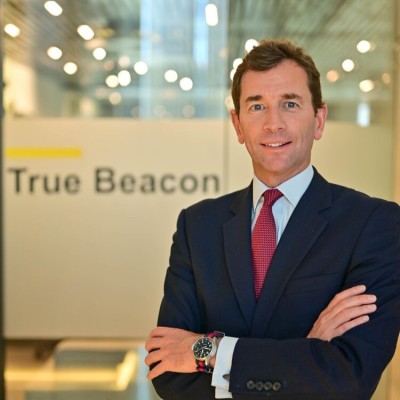
Richard Pattle
Board Member
Co-founder of Indian asset manager True Beacon. Former vice chairman of Standard Chartered Private Bank.
What we hold. In writing.
No child labor. No corruption. No conflict money. If a mine can't prove where its metal comes from, we don't underwrite it — certified provenance where the metal demands it.
Mining built the modern world and scarred it too. We structure deals so a share goes back to where the metal came from — jobs, schools, trees planted next to the pit.
Reserve report, licence, legal opinion, deed — signed by named people. If we can't show you the file, we don't show you the deal.
This is a regulated market and we treat the rules as existential, not as friction. Tier-1 standards in every jurisdiction — not just where the law requires it.
The documentation is public.
What you own, how you get paid, what's in every deal file, and what can go wrong — read it before the first call.
What a royalty actually pays.
Here is the arithmetic in the open: what a royalty collects, what sets the rate, and what buyers have historically paid for it.
Your money, on a hypothetical royalty.
This is a calculator, not an offer, a forecast, or a promise. Real royalties are priced deal by deal against a reserve report, a licence and a legal opinion. Royalty interests are illiquid and you can lose everything you put in.
Why gold yields less than copper.
Royalties don't have one price. Buyers pay up for certainty and demand a discount for risk, and the spread between the two is where the whole business lives.
The deepest buyer pool in the sector. It prices richest, so the yield is lowest.
Same logic, thinner crowd. A step up in yield for a step down in familiarity.
The majors are built on gold. Base metals get less attention and cost more to fund — which is exactly why the yield is higher.
Nothing is being sold yet. You're paid for waiting and for the chance it never starts — the highest yields on the platform live here.
No price, because we don't underwrite it. No production, no reserve, no royalty. Roughly 1 in 1,000 ever becomes a mine.
Indicative bands from publicly reported royalty and streaming transactions across the sector. They describe how the market has historically priced risk — not what any Midas instrument will pay. Every deal is priced on its own file.
What moves your number.
A mine already selling metal pays you next quarter. One still being built pays you when it starts — if it starts. That gap is most of the yield difference in the table above.
Gold has the deepest bid and the lowest yield. Copper, lithium and tin pay you more precisely because fewer people are competing for them.
The same royalty is worth less where the licence is harder to enforce. Jurisdiction is priced into every deal file.
Reserves set the floor, not the ceiling. Mines that keep drilling keep paying — Goldstrike has been paying on a 1986 royalty for nearly four decades.
What can go wrong, in plain words.
Payments pause with it. Nothing accrues, nothing is owed. The claim survives and pays again on restart — but a mine can sit idle for years.
Your royalty is a share of revenue, so it falls too. You're paid off the top rather than out of profit, which is why royalties survive downturns that wipe out equity — but the cheque still shrinks.
Royalties are illiquid. Selling before a buyer wants it means selling at their price. Size your position on the assumption you hold it.
You can lose everything you put into a royalty. We put the risks on the same page as the returns because anyone who doesn't is selling you something.
Submit your asset.
Producing or near-production mines raising $5M–$30M. A person reads every submission and replies within five business days — including the no's, with the reason.
Four steps. No black box.
The form below. Ten minutes, no data room needed yet.
Reserve report, permits, ownership, offtakes, financials. Five business days to a yes, no, or what's missing.
Royalty rate, size, and structure agreed. Independent engineers and local counsel sign off — their names go on the file.
Registered against the licence, opened to our investor base, funds clear as it fills.
What we'll need. Eventually.
Not required to submit — this is what diligence needs before a royalty can be papered. Drafts and pending permits are fine; tell us what's in progress.
NI 43-101, JORC, SAMREC or equivalent. Draft accepted.
Mining or exploration licence, environmental authorisations, status of anything pending.
Corporate registry, beneficial ownership, and proof of mineral rights with any encumbrances disclosed.
Two years where they exist, plus production history, costs, and any offtake or streaming agreements already in place.
Tell us about the asset.
Received.
We'll come back within five business days with one of three answers: what we'd need to proceed, a term sheet conversation, or a plain no with the reason. Nothing is shared outside our underwriting team in the meantime.
Six reasons allocators hold royalties.
Direct exposure to metals and materials pricing, with none of the cost inflation, capex overruns or dilution that comes with owning the mine.
Revenue-based royalties are linked to commodity prices, not equity cycles — an income stream that moves with inflation rather than against it.
Institutions stop underwriting below roughly $25 million. That gap — good mines, too small for the majors — is where we originate.
Access to privately structured royalty financings, underwritten one asset at a time, with terms negotiated rather than quoted.
Unit units, scheduled redemption windows, and the ability to borrow against a position — royalty exposure without a decade-long lock-up.
Every royalty settles on independently assayed, certificated tonnes — the mine's numbers checked by someone who does not work for the mine.
Mining's most senior cash flow. Bought one asset at a time.
A royalty is a contractual share of a mine's revenue — paid before costs, banks and shareholders, registered against the licence itself. For forty years the only way in was buying the royalty companies' stock. Midas issues the instrument itself: one named asset, one segregated vehicle, one full file — reserve report, licence chain, enforceability opinion, production history. Read it, model it, disagree with us.
Direct participations or single-asset SPVs. Long-duration income against a hard asset.
Sell down part of an existing royalty without releasing the position. Get a mark on an asset that has never had one.
Exposure to the commodities you actually consume, structured against producing assets.
How it's structured.
Standard instruments are written only on mines already selling. Development risk is qualified-investor territory, milestone-tranched. Exploration is never underwritten — the odds are 1 in 1,000 and we publish them.
Issued under a framework built for private credit instruments. The specifics are in the disclosures, in writing.
Each instrument sits in its own segregated SPV. No pooling. No blended book.
KYC, AML, sanctions and suitability checks before onboarding. We'd rather decline you than sort it out later.
Reserve and production analysis by qualified engineers and geologists — not by us reading a summary.
Every royalty is registered against the mining licence in the host jurisdiction, with local counsel's enforceability opinion.
Units move only between verified holders. The register is the record; the note is its instrument.
We do not finance gold in the ground.
Every attempt to package undiscovered ore has failed for the same reason: a resource estimate is not a cash flow, and no investor can price it today. We buy a share of revenue from mines that are already selling — or are contracted, permitted and weeks from shipping. If a mine cannot show us tonnes leaving the gate, it does not enter the book.
Exploration
Geology without production. Roughly one in a thousand prospects becomes a mine. We do not underwrite that lottery, at any price.
Development
Permitted, funded and building. Financed only with a minimum royalty from a fixed date and a cap on total payments — the risk is priced, not ignored.
Producing
Tonnes shipping, invoices settling, assays on file. This is the core of the book and where every new investor should start.
How we know the mine's numbers are real.
The oldest fear in royalties: the mine reports 100 tonnes and shipped 200. We settle the way the world's bulk-commodity traders settle — at the port, on paper no one party controls.
Tested twice, independently
Every shipment is assayed by an independent inspector at loading and again at the destination port — grade, moisture, weight. Neither test belongs to the mine.
Paid on delivery, not on trust
Royalty payments trigger on delivered, certificated tonnes — the same discipline that governs the mine's own sales contracts. No delivery, no revenue, no dispute.
Certificates on the ledger
Inspection certificates are recorded against your holding as they issue, with an independent audit overlay across the book. You can check every shipment behind your yield.
The routes to mining cash flow, compared.
"These assets spin out cash… but I can't get anybody to want to own them."
Jeff Currie, former Global Head of Commodities Research, Goldman Sachs — on why a decade of mine cash flow sits unowned. Market commentary, not an endorsement.
A sophisticated allocator already owns gold and can buy miners. Here's what each route actually pays, and what you carry to earn it.
Ranges are indicative, by strategy and stage. Target yields are not guarantees; royalty interests are long-duration and can lose value. None of the alternatives is a claim on the revenue itself.
One instrument. Every way in.
A Midas royalty is issued as an instrument: held directly, allocated through our fund strategies, or, as distribution channels develop, held on the platforms you already use. Liquidity is not assured.
Own a named royalty in its own segregated vehicle — one asset, one full file, at institutional size. The purest form of the exposure.
Allocate to a diversified royalty fund the way you'd pick any yield strategy — gold-weighted for stability, base and development metals for yield. Manager's discretion, your risk budget.
As instruments season, they can move onto the channels institutions already use — credit facilities, private credit distribution, wealth platforms. Liquidity you inherit, not liquidity we promise.
Every instrument carries reserve reports, licence chain, enforceability opinion and monthly coverage attestation — verify it yourself before you allocate.
Royalty yield for corporate treasuries.
After our institutional funds, the same products open to company treasuries — a slice of idle cash earning real-asset yield, paid in gold, redeemable on schedule. If you run a business and want early access, ask.
"Can't I just buy the royalty companies' stock?"
You can. Here is exactly what you get when you do — and what you give up.
The listed royalty companies have historically traded well above the appraised value of their books — the market charges a premium for access. Buy the stream directly and you pay what the asset is worth, priced against the reserve report, not the share register.
A share of a royalty company is 400+ assets, management's next acquisition, their G&A, and their cost of capital — averaged. You cannot pick the one royalty you actually want. Here, one instrument is one named asset with one file. Underwrite it yourself.
Royalty stocks trade with the equity market — drawdowns hit the share price even when the underlying cheques never miss. A direct royalty pays what the mine sells, and its income doesn't care what the S&P did this week.
Equity is a claim on what's left. This is a claim on what's sold.
The trade-off is real: equity has unlimited upside on the operator's execution; a royalty caps out at the mine's revenue. You are choosing income and seniority over control and leverage.
Named risks. Named answers.
R.01What if the mine slows or stops?
Payments pause with production — that's the deal. We list producing assets first, the claim survives a pause and pays again on restart, and every file carries sizing guidance so no one bets the house on one pit.
R.02What if the metal price falls?
Distributions shrink — a royalty tracks revenue. But it's paid off the top, before costs, so it keeps paying through downturns that kill the operator's profit. There is no leverage inside any vehicle to turn a bad year into a wipeout.
R.03What if the rules change where the mine sits?
Every royalty is registered against the mining licence in the host jurisdiction, with a local counsel enforceability opinion before issuance. Jurisdiction risk is priced, not ignored — it's why tier-one assets yield less.
R.04What if the mine is sold, refinanced, or mismanaged?
The claim attaches to the licence, not the owner. It survives every change of hands — sale, refinancing, most bankruptcies. Goldstrike's royalty has outlived three ownership regimes. We monitor operators monthly.
R.05Who actually holds my asset — can it be moved?
One segregated SPV per royalty; the note is the register entry. Transfers clear only between verified holders, and only on your instruction. Midas cannot move your position.
R.06If a mine can't raise bank finance, why is it here?
Banks say no for three reasons: bad projects, small tickets, and geography — most lenders won't touch a $10–20M raise, and won't lend in half the jurisdictions where good ore sits, at any quality. We exist for the second and third reasons and decline the first: producing-first mandate, full JORC/NI 43-101 documentation, licence chain and enforceability opinion required before issuance. And the speed trade is real — weeks against a bank's six to nine months matters to an operator with a construction season. "Couldn't get bank debt" and "shouldn't get capital" are different sentences; underwriting exists to tell them apart, and our declines outnumber our issuances.
R.06bCan the operator just mine a different licence?
The mine-switching trap: an operator with several licences could starve the one your royalty sits on and move equipment next door. Real risk — and structurally answered: minimum-production or minimum-royalty covenants from first production, and area-of-interest clauses that extend the royalty to adjacent licences the operator controls — the industry-standard protection used for decades. Both are in our standard terms; a file without them says so in the file.
R.06cCan I lose everything?
Yes. Royalty interests are illiquid and a mine can fail before paying back your capital. Nothing on this platform removes that — our job is to make every risk legible before you commit, not to pretend it away.
Cautionary statement
Forward-looking statements. This website contains forward-looking statements — including statements about instruments under review, platform features, timelines and market conditions — that reflect current expectations and involve known and unknown risks. Actual outcomes may differ materially, and no assurance is given that any instrument described will proceed to issuance. Statements speak only as of their date, and Midas assumes no obligation to update them.
No offer. Nothing on this website is an offer to sell, or a solicitation of an offer to buy, any security, note or royalty interest, in any jurisdiction. Any offering, if made, will be made only to eligible persons through formal documentation containing the actual terms and risk factors.
Risk of total loss. A royalty pays only if the underlying mine produces and sells. Payments can stop entirely, for extended periods, and you can lose your entire investment. Units may be difficult or impossible to sell. Figures shown as targets, structures, stages or progress are indicative; commodity prices shown are contextual and indicative, not tradeable quotes. Historical examples are drawn from public filings, are not Midas offerings, and are not indicative of future results.
Eligibility. Access is restricted to qualified investors in permitted jurisdictions, following identity and suitability verification. See the full Disclosures, Privacy Policy and Terms.